
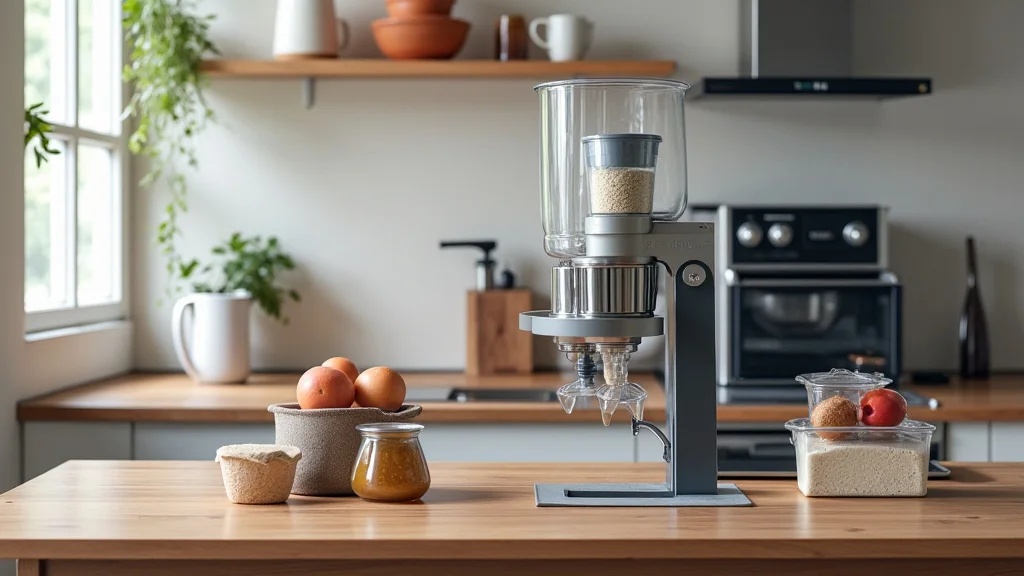
Thinking about upgrading your kitchen? Maybe your old stove finally gave up, or you’re dreaming of a shiny new refrigerator. It can be exciting but also a bit overwhelming when you start looking for kitchen appliances for sale.
You want to find the right products that fit your style and budget. This guide will help you sort through the options, understand what to look for, and discover the best places to shop. You’ll learn how to make smart choices so your new appliances make cooking and daily life easier and more enjoyable.
Key Takeaways
- Understand the different types of kitchen appliances available.
- Learn how to choose appliances that fit your kitchen space and needs.
- Discover tips for comparing features and energy efficiency.
- Identify the best places to find kitchen appliances for sale.
- Get advice on budgeting and financing options for appliance purchases.
- Learn about warranties and what to do after buying your appliances.
Discover Amazing Kitchen Appliances For Sale
When you are ready to update your cooking space, finding the right kitchen appliances is a big step. The market offers many choices, from classic refrigerators and ovens to innovative smart devices. This section helps you explore the variety of kitchen appliances for sale, making sure you know what’s out there.
We will look at the main categories and what makes each one special. Understanding these basics helps you narrow down your search and find exactly what you need for your home.
Refrigerators
Refrigerators are the heart of any kitchen, keeping your food fresh. They come in many styles to suit different needs and spaces. The most common types include top-freezer, bottom-freezer, side-by-side, and French door models.
Each has its own benefits. Top-freezer units are often the most budget-friendly and energy-efficient. Bottom-freezer models place fresh food at eye level, reducing bending.
Side-by-side refrigerators offer easy access to both fridge and freezer sections, ideal for smaller kitchens. French door refrigerators are popular for their spacious interior and stylish look.
When looking at refrigerators for sale, consider capacity. This is usually measured in cubic feet and should match your household size and shopping habits. For example, a single person might need 10-12 cubic feet, while a family of four could require 20-25 cubic feet.
Door configurations also affect how you use the appliance. Some refrigerators offer advanced features like filtered water dispensers, ice makers, and smart technology for temperature control and inventory management. Energy efficiency is also a key factor.
Look for the ENERGY STAR label, which indicates that a refrigerator meets strict energy-saving standards set by the U.S. Environmental Protection Agency.
- Top-Freezer Refrigerators: These are traditional and often the most affordable. They are good for smaller budgets and simple needs. Many are also quite energy efficient.
- Bottom-Freezer Refrigerators: Placing the freezer at the bottom means less bending to reach your everyday items. This design can be more ergonomic.
- Side-By-Side Refrigerators: These offer vertical compartments for both the refrigerator and freezer. They are great for kitchens with narrow door openings.
- French Door Refrigerators: With two doors for the refrigerator and a pull-out freezer drawer, these are popular for their wide refrigerator shelves and modern appearance.
Ovens and Ranges
Ovens and ranges are where the magic of cooking happens. A range combines a cooktop and an oven in one unit, while a wall oven and separate cooktop offer more flexible kitchen design. Electric and gas are the primary power sources for cooktops and ovens.
Gas cooktops offer precise temperature control and instant heat, favored by many home chefs. Electric cooktops, including smooth-top ceramic and induction, offer even heating and are generally easier to clean. Induction cooktops are particularly energy-efficient and fast.
Ovens come with various features. Convection ovens use a fan to circulate hot air, leading to faster and more even cooking and baking. Self-cleaning options, whether using high heat to burn off residue or steam to loosen it, can save significant time and effort.
Double ovens are also available, allowing you to cook at two different temperatures simultaneously, which is perfect for large meals. When shopping for ovens and ranges for sale, think about the size of your dishes and how often you bake or roast. The interior capacity of the oven, measured in cubic feet, is important.
Electric Ranges: These are easy to use and maintain. Smooth-top electric ranges offer a sleek look and easy cleaning.
Gas Ranges: Gas offers instant heat and precise control, making them a favorite for many cooks.
Convection Ovens: The fan in a convection oven cooks food more evenly and faster, ideal for baking and roasting.
Double Ovens: These allow you to cook multiple dishes at different temperatures at the same time.
A recent survey indicated that 65% of homeowners prefer gas cooktops for their control, while 30% opt for electric or induction due to ease of cleaning and energy savings.
Dishwashers
Dishwashers are a modern kitchen essential, saving you time and water. When looking for dishwashers for sale, consider their cleaning performance, noise level, and energy efficiency. Modern dishwashers are much quieter than older models, often measured in decibels (dB).
A quiet dishwasher operates at around 40-50 dB. Look for features like multiple wash cycles (e.g., heavy-duty, normal, quick wash), adjustable racks for better loading flexibility, and soil sensors that adjust water usage based on how dirty the dishes are.
Energy Star certified dishwashers use less water and electricity than standard models, saving you money on utility bills and reducing environmental impact. Some models offer soil sensors, which automatically detect the level of food residue on dishes and adjust the wash cycle accordingly. This helps optimize water and energy use.
Stainless steel interiors are more durable and resistant to odors and stains compared to plastic interiors.
- Noise Level: Check the decibel rating to find a quiet dishwasher that won’t disrupt your home.
- Wash Cycles: Various cycles, like sanitizing and quick wash, offer flexibility for different cleaning needs.
- Energy Efficiency: Look for the Energy Star label to save on utility costs and help the environment.
- Interior Design: Adjustable racks and third racks (for cutlery) maximize space and convenience.
Microwaves
Microwaves are versatile tools for quick meals, reheating, and defrosting. They come as countertop models, over-the-range microwaves, or built-in units. Over-the-range microwaves combine a microwave with a ventilation hood for your cooktop, saving counter space.
Built-in microwaves are designed to be integrated into cabinetry for a seamless look. Countertop microwaves are the most common and portable option.
When considering microwaves for sale, pay attention to wattage, which affects cooking speed. Higher wattage (e.g., 1000-1200 watts) means faster cooking. Capacity, measured in cubic feet, determines how much food you can fit inside.
Features like sensor cooking, which automatically adjusts cooking time and power based on the food’s moisture level, and preset cooking options for common items can add convenience. Some microwaves also offer convection cooking, allowing them to function as a small oven.
Types of Microwaves
Countertop Microwaves: These are standalone units that sit on your kitchen counter. They are the most affordable and easiest to install.
Over-the-Range Microwaves: These are mounted above your stove and often include a built-in ventilation system. They are a great space saver.
Built-In Microwaves: These are installed into cabinetry or a wall, offering a sleek, integrated look. They often require a trim kit for a finished appearance.
Small Kitchen Appliances
Beyond the major appliances, small kitchen appliances can significantly improve your cooking experience. This category includes toasters, blenders, coffee makers, stand mixers, and food processors. Each offers unique benefits for specific tasks.
Blenders: Useful for smoothies, soups, and sauces. High-powered blenders can handle tougher ingredients.
Toasters: Essential for breakfast, toasters come in 2-slice and 4-slice models, with features like bagel settings and variable browning.
Coffee Makers: From simple drip machines to sophisticated espresso makers, choose based on your coffee preferences.
Stand Mixers: A favorite for bakers, stand mixers make kneading dough and whipping cream much easier.
Food Processors: These can chop, slice, shred, and puree ingredients quickly, saving time on food prep.
How to Choose the Right Kitchen Appliances
Selecting new kitchen appliances involves more than just picking out the ones that look best. You need to consider how they will fit into your life and your home. This section guides you through the practical steps of choosing appliances that meet your needs and budget.
Making informed decisions now will save you from potential frustrations later.
Measure Your Space
Before you even start looking at kitchen appliances for sale, accurately measuring your kitchen space is vital. Measure the width, depth, and height of the area where each appliance will go. Don’t forget to account for door swings, drawer openings, and ventilation clearances.
For example, a refrigerator’s doors must be able to open fully without hitting cabinets or walls. Similarly, ovens need space for heat to escape.
A common mistake is not measuring. This can lead to buying an appliance that is too large to fit through doorways or into its intended spot, or one that leaves inadequate working space. Always double-check your measurements, and consider bringing them with you when you shop.
This ensures you don’t fall in love with an appliance that simply won’t work in your home.
- Measure the width, height, and depth of each appliance opening.
- Note the clearance needed for doors to open and drawers to slide out.
- Check for any obstacles like pipes, electrical outlets, or cabinets.
- Account for ventilation space required by the appliance manufacturer.
Consider Your Needs and Lifestyle
Your lifestyle should heavily influence your appliance choices. How often do you cook? Do you entertain guests frequently?
Are you a serious baker or just need basic functionality? A busy family might need a large-capacity refrigerator and a dishwasher that can handle heavy loads. A single person or a couple might prefer more compact appliances that use less energy.
Think about your cooking habits. If you bake often, a reliable oven with good temperature consistency and perhaps a convection feature is important. If you prepare a lot of meals from scratch, a powerful blender or food processor could be a worthwhile investment.
Consider energy consumption. If you are conscious of your environmental footprint and utility bills, look for Energy Star certified models. Smart appliances offer convenience for some, allowing remote control and monitoring, but may come at a higher price.
- Cooking Frequency: If you cook daily, durability and efficiency are key.
- Household Size: Larger families need bigger appliances like refrigerators and dishwashers.
- Entertaining Habits: If you host often, consider appliances that can handle large volumes or multiple tasks.
- Dietary Habits: Special diets might benefit from appliances like juicers or specific types of ovens.
Compare Features and Energy Efficiency
Appliance features vary greatly. Some are standard, while others are considered premium. Look at the specific functions each appliance offers.
For refrigerators, this might include advanced cooling systems, water dispensers, or flexible shelving. For ovens, consider convection, self-cleaning options, and programmable settings. For dishwashers, noise level and wash cycles are important.
Energy efficiency is a major factor that impacts both your wallet and the environment. Appliances are rated for their energy usage. The ENERGY STAR label indicates that an appliance meets or exceeds federal energy efficiency standards.
Compare the estimated annual energy cost for different models. While a more energy-efficient appliance might have a higher upfront cost, it can save you money on utility bills over its lifespan.
Here is a comparison of energy consumption for common kitchen appliances:
| Appliance | Average Annual Energy Use (kWh) | Estimated Annual Cost ($) |
|---|---|---|
| Refrigerator (18-22 cu ft) | 600 – 700 | $70 – $85 |
| Dishwasher (Energy Star) | 250 – 300 | $30 – $40 |
| Electric Oven (Standard) | 500 – 600 | $60 – $75 |
| Microwave (1200W, 1 hour/day) | 150 – 200 | $18 – $25 |
*Note: Energy costs are estimates and vary by location and electricity rates.
Budgeting for Appliances
Kitchen appliances can be a significant investment. It is essential to set a budget before you start shopping. Consider not only the price of the appliances themselves but also potential costs for delivery, installation, and any necessary modifications to your kitchen (like gas line connections or electrical upgrades).
Many retailers offer financing options or payment plans that can help spread the cost over time. You can also look for sales events, such as holiday weekends or end-of-year clearances, to find discounts on kitchen appliances for sale. Sometimes, buying appliances as a package deal from one manufacturer or retailer can result in savings.
- Set a Realistic Budget: Determine how much you can comfortably spend.
- Factor in Additional Costs: Include delivery, installation, and potential upgrades.
- Explore Financing Options: Retailer financing or personal loans can help manage costs.
- Watch for Sales: Holiday sales and clearance events offer good opportunities for savings.
- Consider Package Deals: Buying multiple appliances from one brand or store can lead to discounts.
Where to Find Kitchen Appliances For Sale
With so many options available, knowing where to look for kitchen appliances for sale can make a big difference in your shopping experience. From large retailers to specialized stores and online marketplaces, each has its own pros and cons. This section helps you identify the best places to find what you need.
Major Retail Stores
Large home improvement and electronics stores are popular destinations for appliance shopping. These stores offer a wide selection of brands and models, often allowing you to see and touch the appliances in person. They usually have knowledgeable sales staff who can answer questions and provide recommendations.
These retailers often have frequent sales and promotions, especially around major holidays. They also typically offer delivery and installation services. While prices might be competitive, it’s always a good idea to compare prices across different stores.
Some well-known examples include:
- Home Depot
- Lowe’s
- Best Buy
Appliance Specialty Stores
Specialty appliance stores focus exclusively on home appliances. They often carry a wider range of brands, including higher-end or niche models that might not be available in general retailers. The staff at these stores are typically appliance experts, offering in-depth knowledge and personalized service.
These stores can be excellent for finding specific features or brands. While prices might sometimes be higher than at big box stores, the expert advice and specialized selection can be invaluable. They also provide installation and service.
Online Retailers
The internet has revolutionized appliance shopping. Online retailers offer immense convenience, allowing you to browse and compare thousands of products from your home. You can easily compare prices, read customer reviews, and find deals that might not be advertised in physical stores.
Major online platforms and direct manufacturer websites sell appliances. Be sure to check the return policy, warranty information, and delivery options carefully when buying online. Some online retailers also offer installation services.
When purchasing online, look for:
- Customer Reviews: Read reviews to gauge real-world performance and customer satisfaction.
- Warranty Information: Ensure you understand the manufacturer’s warranty and any extended warranty options.
- Delivery and Installation: Verify the delivery process and if installation services are available and included.
- Return Policies: Understand the terms for returning an appliance if it doesn’t meet your expectations.
Used and Refurbished Appliances
For budget-conscious shoppers, used or refurbished appliances can be a great option. Used appliances are typically sold by individuals or small businesses and may require more careful inspection. Refurbished appliances have been repaired and restored to working condition, often by the manufacturer or a certified technician, and usually come with a limited warranty.
This is a fantastic way to find affordable kitchen appliances for sale. You can often find good deals at local appliance repair shops, consignment stores, or online marketplaces like Craigslist or Facebook Marketplace. Always try to inspect a used appliance thoroughly before buying and ask about its history.
Example scenario: A young couple furnishing their first apartment found a nearly new, high-end French door refrigerator on a local classifieds site for half its original price. It had been used for only six months by a seller who was relocating. They inspected it, and it worked perfectly, saving them over $1000.
Maintaining Your New Appliances
Once you have purchased and installed your new kitchen appliances, proper maintenance is key to ensuring they perform well and last for years. Regular cleaning and adherence to manufacturer guidelines can prevent costly repairs and keep your appliances looking their best.
Cleaning Tips
Regular cleaning prevents buildup that can affect performance. For refrigerators, clean the interior shelves and drawers with a mild soap and water solution. Wipe down the exterior regularly.
For ovens, follow the manufacturer’s instructions for self-cleaning cycles or manual cleaning to avoid damaging the interior surfaces. Dishwashers should be cleaned periodically to prevent food debris buildup; run an empty cycle with a dishwasher cleaner or vinegar.
- Refrigerators: Clean spills immediately. Use a soft cloth and mild detergent.
- Ovens: Use self-cleaning features as recommended. For manual cleaning, avoid abrasive cleaners.
- Dishwashers: Clean the filter regularly to ensure efficient draining and washing.
- Cooktops: For glass or ceramic tops, use specific cleaners to avoid scratches.
Understanding Warranties
Most new kitchen appliances come with a manufacturer’s warranty. This warranty typically covers defects in materials and workmanship for a specified period, usually one year for parts and labor. Refrigerators and ovens might have longer warranties on specific components, like sealed system parts (e.g., compressor) for refrigerators.
It is wise to keep your purchase receipts and warranty documents in a safe place. If an appliance malfunctions within the warranty period, contact the manufacturer or the retailer where you purchased it. Some retailers offer extended warranty plans for an additional fee.
Carefully consider whether an extended warranty is worth the cost, as many modern appliances are reliable and the cost of the warranty might exceed potential repair costs.
A common issue with new appliances is user error or improper installation. Ensure your appliances are installed according to the manufacturer’s instructions. For example, ensuring a refrigerator is level can prevent issues with door seals.
Common Myths Debunked
Myth 1: All stainless steel appliances are the same.
Reality: Stainless steel finishes can vary. Some are more resistant to fingerprints and smudges than others. Different brands use different types and coatings of stainless steel, which can affect their appearance and durability.
Always check product descriptions for “fingerprint-resistant” or similar claims.
Myth 2: You always need to buy a matching set of appliances.
Reality: While matching appliances create a cohesive look, it’s not a strict requirement. You can mix and match brands and finishes if done thoughtfully. Focusing on similar colors or styles can achieve a coordinated appearance without being tied to a single brand’s set.
Many people successfully mix stainless steel appliances from different manufacturers.
Myth 3: Energy Star appliances cost significantly more upfront.
Reality: While some Energy Star models may have a slightly higher initial price, the difference is often small compared to the long-term savings on utility bills. The increased efficiency can pay for the price difference over the appliance’s lifespan. Many Energy Star models are competitively priced.
Myth 4: Dishwashers use more water than handwashing.
Reality: Modern, Energy Star certified dishwashers are designed to be very water-efficient. Studies show that a full load in an efficient dishwasher typically uses less water than washing the same number of dishes by hand, especially if you tend to let the water run while handwashing.
Frequently Asked Questions
Question: What is the most important factor when buying a refrigerator?
Answer: The most important factor is capacity and size, ensuring it fits your kitchen space and meets your household’s needs for storing food.
Question: Should I buy a gas or electric range?
Answer: Gas ranges offer more precise heat control, while electric ranges are often easier to clean and maintain. Choose based on your cooking preferences and existing kitchen setup.
Question: How can I make my dishwasher run more efficiently?
Answer: Ensure the dishwasher is full before running it, use the correct amount of detergent, and clean the filter regularly to remove food debris.
Question: Are smart kitchen appliances worth the extra cost?
Answer: Smart appliances offer convenience through features like remote control and diagnostics, but their value depends on your budget and how much you will use those advanced features.
Question: Where is the best place to find deals on kitchen appliances for sale?
Answer: Major retailers, specialty appliance stores during sales events, and reputable online retailers are good places to find deals. Also consider refurbished options for significant savings.
Summary
Finding the right kitchen appliances for sale involves knowing your needs and options. Measure your space carefully and consider your lifestyle. Compare features, energy efficiency, and prices across different retailers.
By staying within your budget and understanding warranties, you can make a purchase you will be happy with. Your new appliances should make cooking and daily tasks easier and more enjoyable for years to come.