
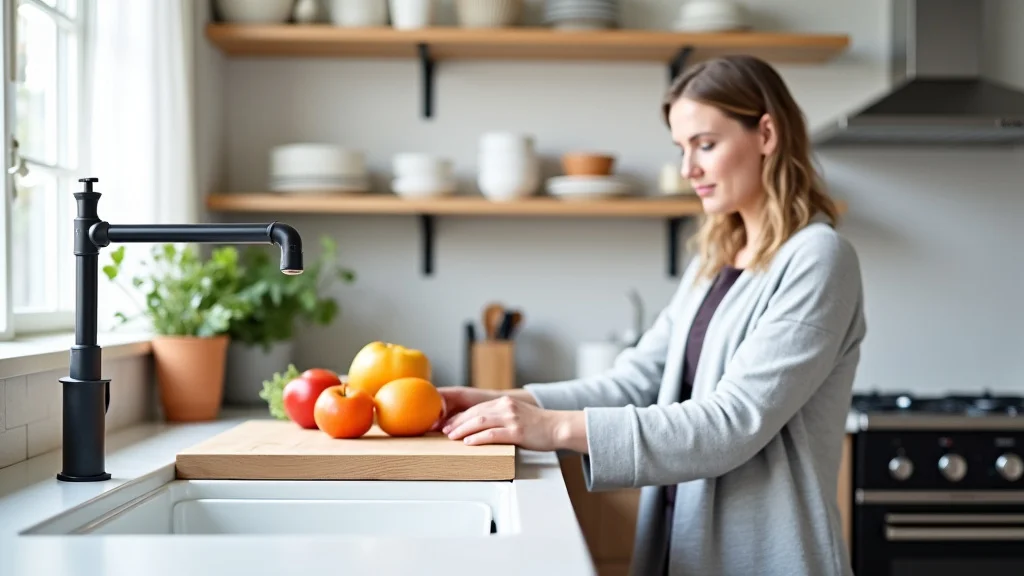
You just moved into your new apartment, and the kitchen is adorable but tiny. You want to make delicious meals but lack the counter space. Or maybe you’re a college student looking to whip up quick snacks between classes.
Finding the right tools can make all the difference. This guide will help you choose the best small kitchen appliances that fit your needs and your limited space, transforming your cooking experience without clutter.
Key Takeaways
- Discover versatile small appliances that serve multiple purposes.
- Learn how to select compact models perfect for small kitchens.
- Understand the benefits of energy-efficient appliance choices.
- Identify essential small appliances for everyday cooking tasks.
- Get tips on organizing your small kitchen space effectively.
Choosing the Right Small Kitchen Appliances
Selecting small kitchen appliances for a compact living area requires careful consideration. The goal is to maximize functionality while minimizing the footprint each item occupies. Think about the types of meals you prepare most often.
Are you a baker, a smoothie enthusiast, or someone who enjoys quick weeknight meals? Your culinary habits will dictate which appliances offer the most value. For instance, if you love fresh juices, a compact juicer is a better investment than a large stand mixer.
Conversely, a baker might prioritize a high-quality hand mixer over a bulky food processor.
The materials and build quality also play a role. Stainless steel appliances often offer durability and a sleek look, fitting well into modern kitchen aesthetics. Plastic components might be lighter and more affordable but can sometimes feel less sturdy.
Consider the ease of cleaning. Many small appliances today come with dishwasher-safe parts, which is a significant advantage in a busy household.
Compact Powerhouses
When space is at a premium, compact versions of popular appliances are your best friends. These are designed with smaller kitchens in mind, offering the same core functions as their larger counterparts but in a significantly reduced size. Imagine a blender that’s slim enough to store in a cupboard or an electric kettle that takes up minimal counter real estate.
These items are often built with efficiency and convenience as top priorities.
- Multi-Functional Devices: Look for appliances that can perform more than one task. A mini food processor that can also chop vegetables or a toaster oven that can bake, broil, and toast saves you from buying multiple single-purpose gadgets. This is a smart strategy for space-saving and budget-friendliness.
For example, a 3-in-1 breakfast station that includes a coffee maker, griddle, and toaster oven can handle multiple morning meal preparations in a single, compact unit. This eliminates the need for three separate appliances, freeing up valuable counter space and reducing clutter. Such devices are particularly appealing to students living in dorms or individuals with very limited kitchen areas.
- Stackable Designs: Some manufacturers are creating appliances that can be stacked. While less common, this innovative approach can be incredibly beneficial for storage. Think of blender bases that can store jars or attachments within them, or toaster ovens with drawers that slide out smoothly.
Consider a set of nesting mixing bowls with built-in strainers and measuring cups. This type of thoughtful design ensures that each piece has a purpose and can be efficiently stored. It’s about making every inch count, and stacking or nesting features help achieve that goal without compromising on utility.
Energy Efficiency Matters
Beyond space, energy consumption is another important factor when choosing appliances, both large and small. Energy-efficient models, often marked with the ENERGY STAR label, use less electricity. This translates to lower utility bills and a reduced environmental impact.
While the initial cost might be slightly higher, the long-term savings often justify the investment.
When evaluating energy efficiency, look at the wattage for appliances like toasters, blenders, and coffee makers. Lower wattage generally means less power consumption. For heating appliances like toaster ovens or electric kettles, consider their heating elements and insulation.
Many modern appliances have improved heating technology that cooks food faster and more evenly, using less energy in the process.
- Reduced Carbon Footprint: Choosing energy-saving appliances contributes to a healthier planet. By using less electricity, you help decrease the demand on power plants, many of which rely on fossil fuels. This conscious choice aligns with sustainable living practices.
Making an effort to select energy-efficient options is a small step with a significant collective impact. It’s about being mindful of resource usage. For instance, a compact, energy-efficient electric kettle can boil water for your tea or instant coffee much faster and with less energy than a stovetop kettle, especially if you only need one or two cups.
- Cost Savings on Bills: The practical benefit of energy efficiency is evident in your monthly utility statements. Over the lifespan of an appliance, the savings can be quite substantial, especially if you use your appliances frequently.
For example, a high-efficiency toaster oven might consume 15% less energy than a standard model for similar cooking tasks. If you use your toaster oven daily for breakfast or quick lunches, this percentage adds up over months and years, directly reducing your electricity costs. This makes it a smart financial decision as well as an environmentally conscious one.
Essential Small Kitchen Appliances for Everyday Use
Every kitchen, regardless of size, benefits from a few key small appliances that streamline daily tasks. These are the workhorses that simplify meal preparation, from breakfast to dinner and everything in between. Focusing on essential, high-quality items prevents unnecessary clutter while ensuring you have the tools you need for common cooking scenarios.
Consider the staples of modern diets. Many people start their day with coffee or tea, require quick ways to prepare snacks, and often need to reheat or cook simple meals. The appliances that facilitate these activities are often the most valuable additions to any kitchen, especially a small one.
The Morning Routine Stars
Mornings can be hectic, and the right appliances can make the difference between a rushed, unsatisfying start and a calm, energizing one. Coffee makers, toasters, and electric kettles are often the unsung heroes of the morning routine. Investing in compact, efficient versions of these can significantly improve your daily rhythm.
- Compact Coffee Makers: Single-serve coffee makers or compact drip coffee machines are perfect for those who live alone or have limited counter space. They brew just the amount you need, reducing waste and saving energy compared to larger pots.
Think about a pod-based coffee maker. These are incredibly convenient, offering a quick cup of coffee with minimal cleanup. The machines themselves are often very small, fitting neatly on a narrow shelf.
Many also have built-in water reservoirs that are easily removable for refilling, making the entire process very user-friendly for small kitchens.
- Versatile Toasters: A two-slice toaster is a standard, but consider one with wider slots for bagels or specialty breads. Some toaster ovens can also function as toasters, offering dual utility.
A good toaster is more than just a bread warmer; it’s a tool for convenience. For instance, a toaster with variable browning settings ensures you get your toast exactly how you like it, from lightly golden to deeply toasted. The added bonus of wider slots means you aren’t limited to standard sliced bread; thick artisan loaves or thick-cut bagels fit with ease, broadening your breakfast options.
Quick Meal Prep Aids
Preparing quick meals and snacks is a common need, especially for busy individuals or families. Appliances that chop, blend, or cook food rapidly without requiring extensive setup are invaluable in a small kitchen environment.
- Hand Blenders for Smoothies and Soups: A stick blender or immersion blender is a fantastic space-saver. It can be used directly in the pot or cup to blend soups, sauces, smoothies, and even baby food. Cleanup is usually just a rinse under the tap.
Imagine making a creamy tomato soup directly in the pot you cooked it in. No need to transfer hot liquid to a separate blender jug. This not only saves on dishes but also reduces the risk of spills.
The blending wand is typically slim and stores easily in a drawer, making it an excellent choice for minimalists.
- Mini Food Processors: For chopping nuts, herbs, or making small batches of pesto, a mini food processor is a game-changer. These compact units can handle small tasks efficiently, freeing you from tedious knife work.
A mini food processor, often with a capacity of around 1-3 cups, is perfect for quickly preparing ingredients for a salad dressing or a small amount of salsa. It can finely chop onions, garlic, or chilies in seconds. This saves time and ensures a consistent texture, which can be difficult to achieve by hand, especially for large quantities.
Beyond the Basics
Once you have the essentials covered, consider a few other small appliances that can significantly enhance your cooking capabilities without taking up too much space. These might include a mini rice cooker or a compact grill.
- Compact Rice Cookers: For those who enjoy rice, a small rice cooker (1-3 cup capacity) is incredibly convenient. It cooks rice perfectly every time with minimal supervision and keeps it warm.
These small appliances are often set-and-forget. You add the rice and water, press a button, and the cooker does the rest. Many have non-stick inner pots for easy cleaning.
This eliminates the guesswork of stovetop rice preparation, ensuring fluffy, well-cooked rice for any meal. They are also great for cooking other grains like quinoa or couscous.
Organizing Your Small Kitchen Space
Even with the most compact appliances, a small kitchen can feel cluttered if not organized effectively. Smart storage solutions are key to maximizing your usable counter and cabinet space. Think vertically and utilize every nook and cranny.
The principle of ‘a place for everything, and everything in its place’ is paramount in a small kitchen. When appliances have designated spots, they are less likely to end up scattered on the counters. This also makes it easier to find what you need, saving you time and frustration.
Maximizing Countertop Space
Countertops are prime real estate in any kitchen, especially a small one. The goal is to keep them as clear as possible, using appliances only when needed and storing them away when not in use.
- Utilize Vertical Storage: Consider using tiered shelves or risers within cabinets to stack items like plates or bowls. This doubles or triples your storage capacity in a single cabinet.
For example, a simple wire shelf insert can allow you to stack more plates in a cabinet than you could before. This makes it easier to access the items you need without having to dig through a tall pile. This principle can also apply to storing smaller appliances or their accessories.
- Appliance Garages or Caddies: If you have a corner with a bit more space, consider a small appliance garage or a dedicated caddy where items can be stored. This keeps them contained and out of sight.
An appliance caddy is essentially a movable tray or stand. You can place your coffee maker or toaster on it. When you need to use it, you simply slide the caddy out.
When you’re done, slide it back into a corner or under an overhang. This keeps the appliance accessible but off the main working surface.
Smart Cabinet and Drawer Solutions
Cabinets and drawers are where most of your small kitchen appliances and their accessories will live. Implementing smart organization strategies here can make a huge difference.
- Drawer Organizers and Dividers: Use drawer dividers to keep utensils, small tools, and appliance parts sorted. This prevents them from becoming a jumbled mess.
For example, a drawer organizer with various compartments can hold spatulas, whisks, and measuring spoons neatly. If you have a compact food processor, its blades and attachments can be stored in separate compartments, ensuring they don’t get lost or damaged. This keeps your drawers tidy and makes it easy to find what you need.
- Wall-Mounted Storage: Shelves or magnetic strips can be installed on walls to hold frequently used items like knives or small tools. This frees up drawer and counter space.
A magnetic knife strip is a classic example. It holds knives securely off the counter and out of drawers. Similarly, small wall-mounted shelves can hold spices, oils, or even a small set of measuring cups.
This keeps frequently accessed items within easy reach without occupying valuable surface area.
Common Myths Debunked
Myth 1: Small Kitchen Appliances Are Less Durable
This is a common misconception. While some very cheap, poorly made appliances might be less durable, many small kitchen appliances are built to last. Manufacturers often focus on quality components for these popular items because they are used frequently.
Many high-end brands offer compact versions of their professional-grade equipment, ensuring durability and performance.
Myth 2: You Need a Lot of Counter Space for Small Appliances
The very definition of a small kitchen appliance is that it’s designed for efficiency and minimal space occupation. While any appliance needs some room to operate, smart storage and multi-functional choices mean you don’t need vast countertops. Appliances can be stored in cabinets or on shelves when not in use, and compact models fit into tight spots.
Myth 3: Small Appliances Are Only for Basic Tasks
This couldn’t be further from the truth. Modern small appliances are incredibly versatile. A compact stand mixer can handle doughs and batters for baking.
A powerful immersion blender can create smooth soups and sauces. A small convection toaster oven can roast vegetables or bake small cakes. They offer sophisticated functionality in a smaller package.
Myth 4: Energy-Efficient Appliances Cost Significantly More
While some high-efficiency models might have a slightly higher upfront cost, the difference is often minimal for small appliances. Furthermore, the long-term savings on electricity bills quickly offset any initial price difference. Over the lifespan of the appliance, an energy-efficient choice is usually more economical.
Frequently Asked Questions
Question: What are the most essential small kitchen appliances for a beginner?
Answer: For a beginner, focus on a good toaster, a reliable coffee maker or electric kettle, and a versatile immersion blender for quick meal prep.
Question: How can I store small appliances without taking up counter space?
Answer: Utilize cabinet shelves, drawer organizers, and wall-mounted storage. Many small appliances can be stored in upper cabinets or pantry shelves when not in use.
Question: Are multi-functional appliances worth the investment?
Answer: Yes, multi-functional appliances are excellent for small kitchens as they reduce the need for multiple single-use gadgets, saving space and money.
Question: How do I choose an energy-efficient small appliance?
Answer: Look for the ENERGY STAR label. Also, check the wattage for heating and blending appliances, opting for lower numbers where possible for reduced energy consumption.
Question: Can small kitchen appliances still perform advanced cooking tasks?
Answer: Absolutely. Many compact appliances are designed with advanced features, allowing for baking, roasting, blending, and more, proving size doesn’t limit capability.
Conclusion
Choosing the right small kitchen appliances makes cooking enjoyable even in tight spaces. Focus on multi-functional, compact models that fit your cooking style. Smart organization keeps your counters clear.
Energy-efficient choices save you money and help the planet. Equip your small kitchen wisely, and you’ll cook with confidence.